

Within the dynamic world of social networking, TikTok has emerged as a favorite platform for content creators. Become member to its engaging format and diverse audience, many users are turning to live streaming to share their creativity and engage with followers in real time. Yet, one important aspect often overlooked is the necessity to save those live streams before they vanish into the cyberspace. As a content creator, preserving your efforts is vital, especially when you have treasured insights and amusing moments that warrant a place in your digital video library.
Establishing an effective live streaming setup can improve your broadcast experience, regardless you're at your streaming desk with a microphone or utilizing a home streaming studio furnished with the latest technology. But regardless of how fantastic your live stream is, if you do not have a strategy for preserving those videos, you risk losing content that could have engaged or informed your audience for a long time to come. This guide will examine practical methods to save your TikTok VODs, ensuring you never overlook on the chance to reflect on your best moments or share them with viewers who may have missed the live event.
Essential Real-time Live Streaming Setup
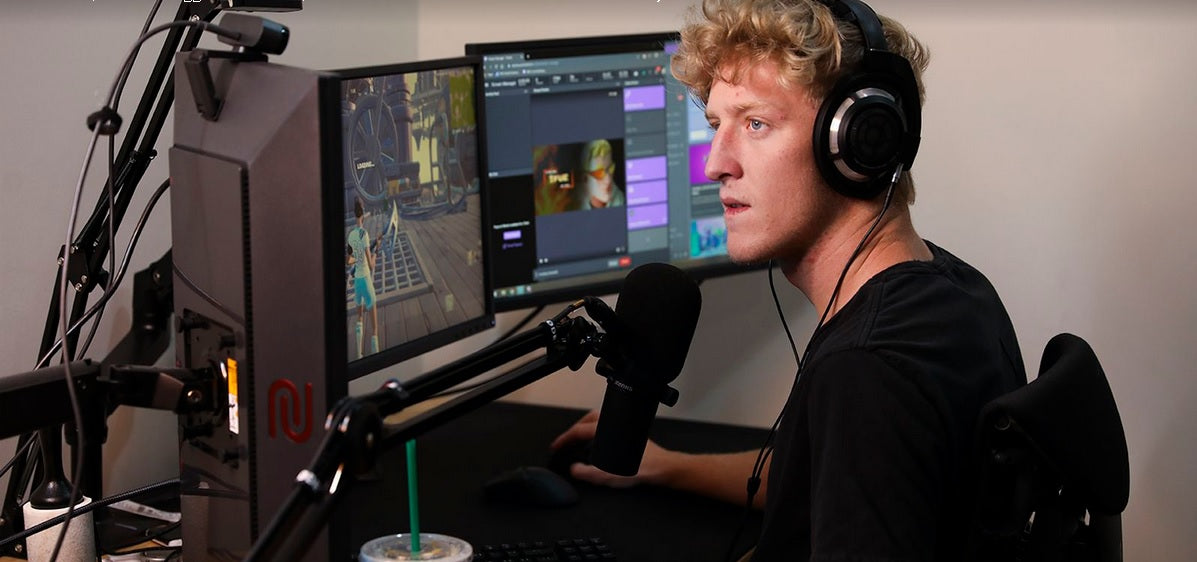
Creating an efficient live streaming setup is essential for content creators looking to engage their audience and generate high-quality videos. To initiate, a streaming desk with a microphone is necessary. This offers a designated space where you can easily manage your streams while ensuring clear audio quality. Place your microphone at the appropriate distance to capture your voice without any hissing or popping sounds, enabling your viewers to focus on your content.
In addition audio equipment, think about investing in a trustworthy home streaming studio. This includes a high-quality camera to record your visuals and proper lighting, like a phone with a ring light, to enhance the production quality of your live streams. A bright environment helps eliminate shadows and poor visibility, rendering your content more engaging. Moreover, using a vertical video creator format can greatly enhance engagement, especially on platforms like TikTok, where vertical content is valued.
Lastly, ensure that your digital video library is systematic. Use cloud storage and backup solutions to protect your streamed content. This not only protects your videos from loss but also enables you simple access to your files for editing or reposting later. A robust online video player interface can make navigating your saved videos easy, enabling you to present your best work and resonate with your audience efficiently.
Setting Up a Home Broadcasting Studio
Setting up a home streaming studio is important for content creators who want to make professional videos and archive them efficiently. Start by picking a dedicated space in your home that is calm and void of distractions. Make sure that this area has good lighting and ample space for your tools. A well-organized streaming desk with a microphone and a screen capturing setup on your monitor can considerably boost your video quality and overall production value.
Investing in the appropriate equipment is crucial. A premium headset and microphone setup will enhance your audio quality, making your streams sound more polished. For visual content, ponder using a phone with a ring light to guarantee your lighting is optimal, especially if you are filming vertical videos. This setup allows you to generate engaging content and offers flexibility for on-the-go content filming when needed.
In conclusion, don't forget about your cloud storage and storage options. After streaming, it is crucial to save your files to the cloud to protect against any accidental loss of content. Examine utilizing a digital video library to categorize your saved VODs and make them quickly accessible. By setting up a home broadcasting studio that merges quality equipment with efficient storage solutions, you can guarantee that your content is distinctive and is preserved before it disappears.
Backup Solutions for Creators of Digital Content
For digital creators, having a dependable backup solution is essential to guarantee that valuable video content and live streams are not lost. With the transient nature of TikTok VODs, it's crucial to have a methodical approach to save content before it is no longer accessible. Using online backup solutions and backup services can provide both peace of mind and flexibility, allowing creators to access their files from anywhere. Services like Google Drive, Dropbox, or dedicated video storage platforms enable users to keep large media files securely and retrieve them whenever required.
In addition to online backups, employing local storage options is a reasonable solution. This can include external HDDs or dedicated network-attached storage systems, which allow for rapid and easy access to edited videos and raw footage. A well-organized digital video library can make it simple for creators to manage their content. Investing in a high-capacity drive is worth considering, especially for those consistently producing high-quality videos that take up significant space.
Lastly, incorporating screen recording into your creative process can improve your backup strategy. By recording live streams directly from your desktop or mobile device, you guarantee that every important moment is saved. A simple screen recording software can be paired with a microphone and audio input setup to create premium backups of live streams. This method makes it more convenient for creators to modify and reuse content afterwards, extending its life beyond the initial livestream or TikTok post.
Enhancing Cellular Content Production
To create excellent TikTok videos, optimizing your portable content filming is vital. Begin by checking your phone is set to the maximum video quality available. This will enhance the detail and overall look of your videos. Consider using a device with a good camera and consider getting a ring light to enhance your illumination. Proper lighting can change an ordinary video into something visually stunning, making your media more inviting for viewers.
Stability is another important aspect in getting steady footage. Use a tripod or gimbal to keep your phone stable while filming. This minimizes jittery shots and helps ensure a polished image. When recording, position your smartphone sideways or upright depending on the platform's specifications, to capture the most effective framing for your media. Familiarize yourself with your phone's camera capabilities, such as focusing and exposure settings, to more enhance the caliber of your videos.
After recording your footage, don't overlook to utilize various editing apps that can boost your material. These apps often provide tools for tint refinement, audio manipulation, and as well as enhancements; all of which can make your footage be more noticeable on TikTok. To wrap up, ensure you back up your footage to a cloud service for simple retrieval and protection. This precaution will avert the loss of your hard work and let you to modify and post your material efficiently when you are prepared.
Handling Your Digital Video Collection
Organizing your virtual video library is important for any producer who uses TikTok and other platforms for streaming live content. Start by ensuring that your stored videos are easily accessible by creating a well-organized folder system on your PC or cloud storage. Tag folders clearly based on the type of content, timestamp, or project title. This will help you rapidly locate your TikTok VODs when you want to modify or reshare them. A well-organized digital space not only saves time but also boosts your workflow, allowing you to concentrate more on content production rather than searching for files.
Using cloud storage can be a revolutionary for your video management strategy. Platforms like Google Drive, Dropbox, or dedicated video storage platforms allow you to back up your TikTok VODs and clear storage space on your computers. These platforms offer intuitive dashboards and sharing options that can facilitate joint work with other creators or partners. Make sure to frequently back up your videos to the cloud to protect against loss due to accidental deletions or device failures.
Finally, consider implementing a method for categorizing and tagging your videos within your digital video library. This could entail using software that allows you to insert information to your files, such as terms related to their subject or date created. By doing so, you can create an efficient search system that lets you locate specific videos quickly. Remember, the easier it is to handle and access your video materials, the more time you can dedicate to creating new and engaging material for your viewers.